Join the Chapter
Directory
Introduction
Defining the Chapter of Conservation Architects
The Kamra tal-Periti’s statutory role is to advance the practice of architecture and civil engineering in Malta, while ensuring that members of the profession act responsibly and ethically, with due regard to the protection of Malta’s cultural heritage.
Sustainable heritage conservation is therefore an essential area of professional competence. Meeting this responsibility requires specialised knowledge and qualifications, including a sound understanding of international charters and conventions that guide best practice in the conservation of the built heritage.
The Chapter of Conservation Architects was established to provide a formal framework for the recognition of conservation architecture as a distinct professional discipline in Malta, and to ensure that the highest standards of integrity, competence, and dedication to the safeguarding of the built heritage are upheld
The aims of the Chapter of Conservation Architects are to:
- Raise awareness of the role and responsibilities of conservation architects
- Establish and promote conservation standards and best practices
- Promote and uphold ethical principles in heritage conservation
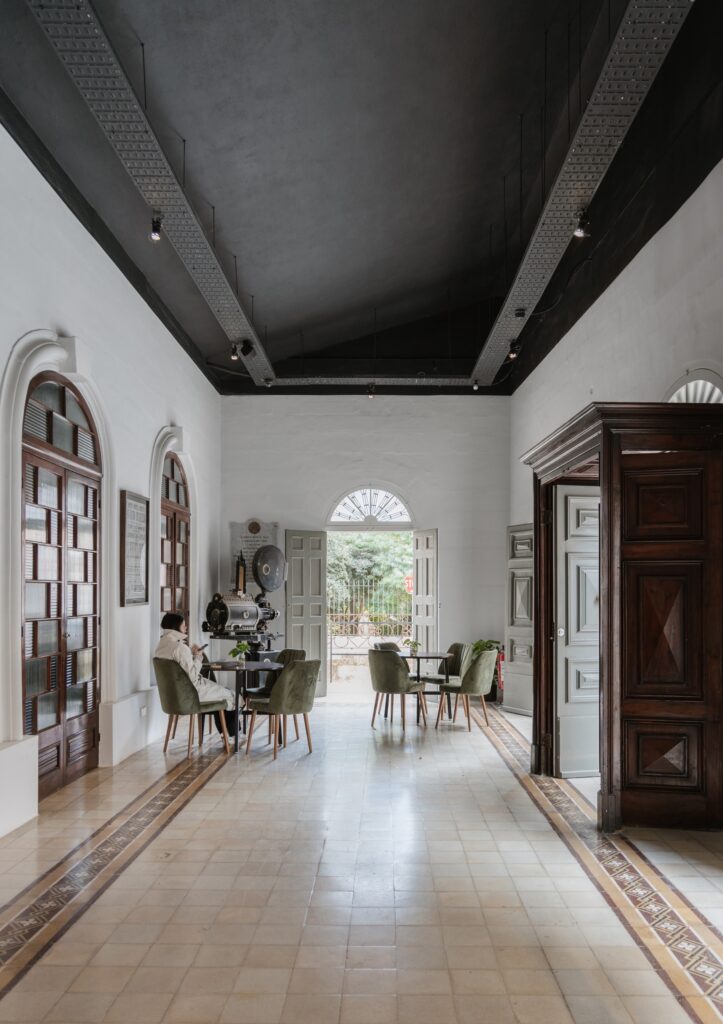
Teatru Salesjan; Winner of the Premju Emanuele Luigi Galizia Adaptive Renovation Award, 2025
What is a Conservation Architect?
Understanding the role of Conservation Architects
Casa Gourgion; Winner of the Premju Emanuele Luigi Galizia Heritage Preservation Award, 2024
Architectural conservation promotes the sustainable use of the built heritage through sensitive and informed intervention, including its adaptation for contemporary use. This approach is distinct from preservation, which seeks to maintain buildings and sites in their existing state with minimal alteration, and from restoration, which aims to return a building or site to a specific historical period or original form, often through the removal or reconstruction of later additions. Effective conservation requires understanding the architectural evolution of a building or site, recognising the value of each phase in its development, and responding to it appropriately.
A Conservation Architect may therefore be defined as:
The architect responsible for the rehabilitation of a site or building of cultural and heritage value through sensitive and informed interventions, ensuring that its legacy – as an expression of a country’s identity – is safeguarded for future generations.
The primary objective of a conservation architect is to respect and celebrate the craftsmanship and intent of the original design while upgrading the building to contemporary standards in a manner that preserves its significance.
A conservation architect is a professional who:
– Specialises in the conservation and preservation of historic buildings and monuments, slowing or mitigating deterioration processes
– Adapts buildings or sites of heritage value in accordance with international and local conservation charters, guidelines, and best practices
– Assesses and determines which elements of a building can be conserved and which may be sensitively rehabilitated or adapted
– Ensures that the architectural character of individual buildings and the wider urban fabric is respected, including streetscapes, proportions, materials, and the design of new interventions within heritage contexts
– Promotes the regeneration of historic areas in a manner that safeguards the existing social fabric and avoids displacement or gentrification
– Ensures that proposed uses are compatible with the cultural and historical value of the building
– Engages with local communities and stakeholders throughout the conservation process, ensuring rehabilitated sites meet local needs and contribute to social and cultural vitality
In carrying out this role, a Conservation Architect possesses:
– In-depth knowledge of architectural history, periods, and styles
– The ability to source appropriate traditional and contemporary materials and to collaborate effectively with specialist professionals and craftspeople
– Expertise in diagnosing and addressing causes of material and structural deterioration in historic buildings
– Skills in documenting, stabilising, and restoring structural integrity in a manner that avoids damage to the existing fabric and ensures long-term sustainability
– The capacity to make informed and balanced decisions regarding compatible and sustainable uses that do not compromise the intrinsic value of heritage assets
Ethics
Special Code of Practice
Membership of the Chapter for Conservation Architects will introduce ethical obligations specific to the practice of conservation architects in addition to the general Code of Professional Conduct applicable to all members of the profession.
The Policy Committee on Heritage is responsible for developing and periodically reviewing a Code of Practice for the Chapter of Conservation Architects whose members would need to adhere to remain members.
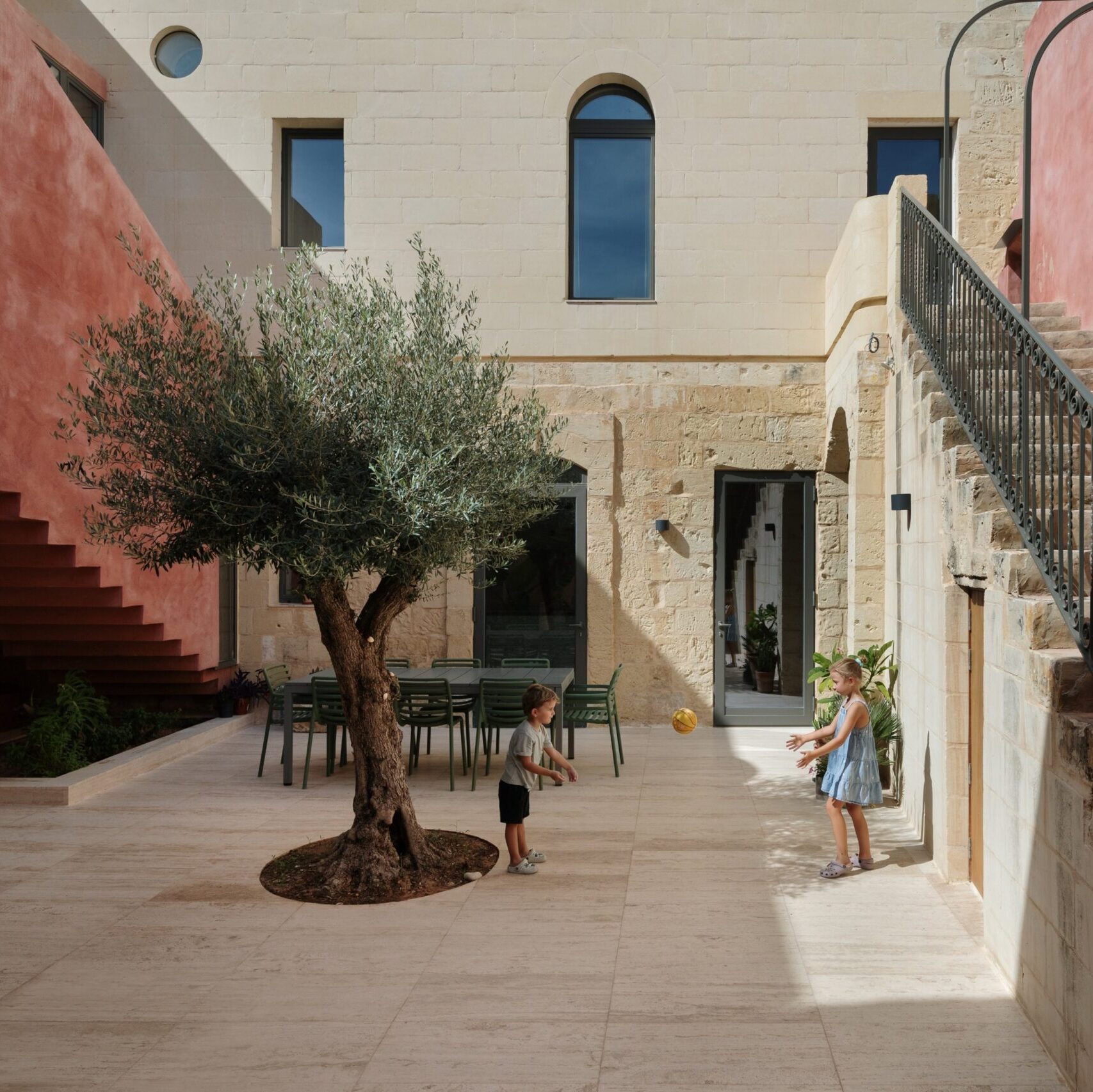
Dar it-Taraġ; Finalist for the Premju Emanuele Luigi Galizia Heritage Preservation Award, 2025
Membership Criteria
Criteria and Levels of Membership
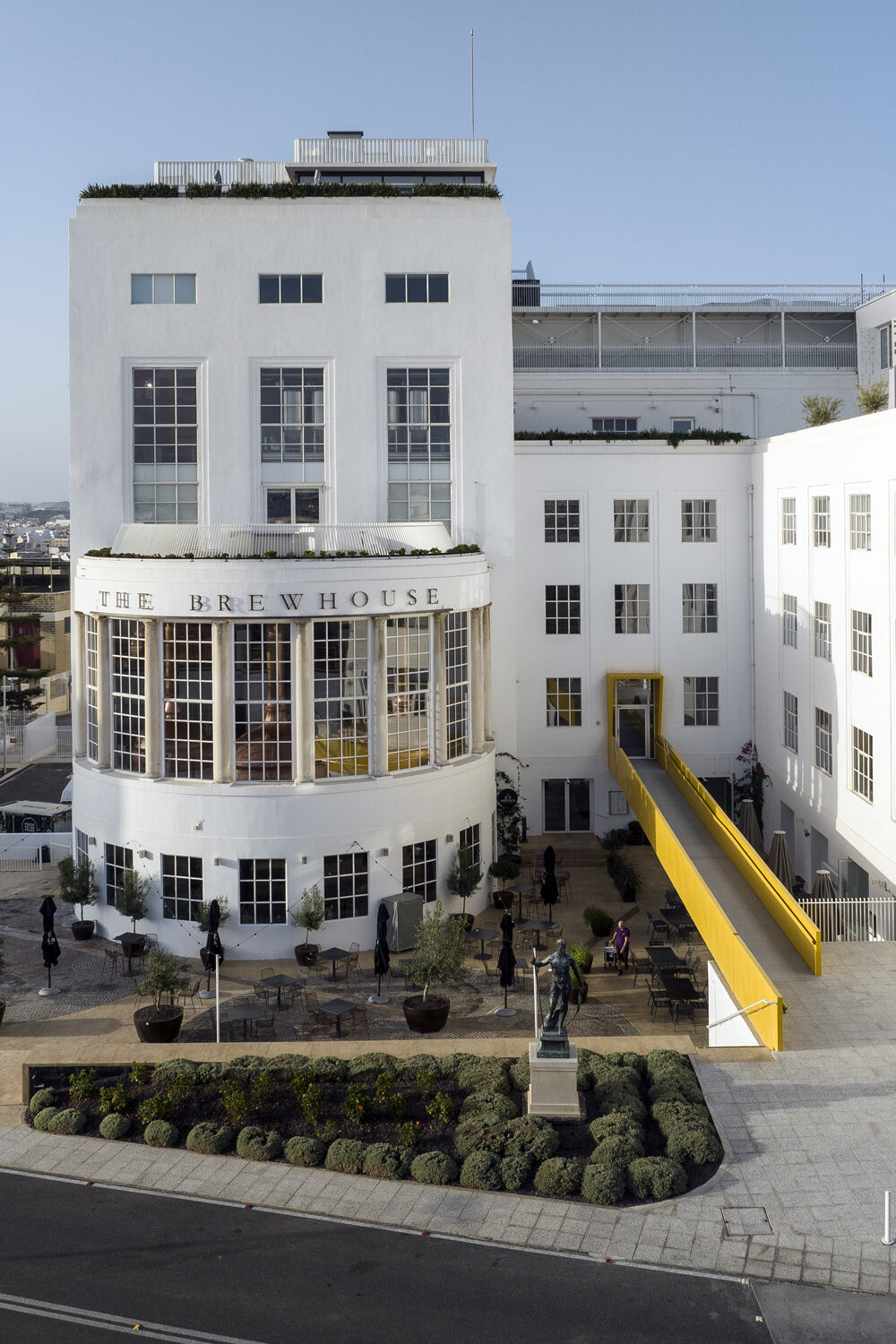
The Brewhouse; Finalist for the Premju Emanuele Luigi Galizia Heritage Preservation Award, 2024
Applicants for membership would need to meet the following criteria:
– Knowledge of heritage buildings, their architectural forms and styles;
– Proven practical experience having worked on several conservation projects;
– Proficiency and understanding of international conservation philosophy and principles;
– Knowledge of restoration techniques and methodologies within the local industry presently; &
– Commitment to continuous professional development (CPD) in the field of architectural conservation.
There are three levels of chapter membership: Associate, Member, & Fellow; with Fellow being the highest level and given to a Member accredited Conservation Architect based on merit and demonstration of extensive knowledge and experience in building conservation.
The criteria for membership will be as follows:
Associate: This is the first stage of membership to the Chapter of Conservation Architects. Associate accreditation may be given to any member of the Kamra tal-Periti who is working towards full membership of the chapter. Associate members of this chapter are entitled to use the designation AKTP (Conservation) after their name.
Members: Members are the second stage of membership and the criteria for associate members applies together with the following criteria. Members require formal qualifications/ education that includes conservation practice; such as the Masters of Architecture with conservation specialisations currently available locally or equivalent from a recognised university or educational body. Applicants who do not have a Masters degree, however, have obtained equivalent or higher qualifications would be considered on a case-by-case basis. Candidates for membership also require two to three year experience and would need to present a portfolio of three or more projects that highlight their experience in the field. Full members of this chapter are entitled to use the designation MKTP (Conservation) after their name.
Fellow: Fellows are the third and final stage of membership and the criteria for Members applies together with the following criteria. The criteria for such membership is at least ten years experience, with candidates needing to present a portfolio of at least six projects. Fellow members of this chapter are entitled to use the designation MKTP (Conservation) after their name.
An administration fee will apply for prospective members
Board of Admission
Self-governing norms of the Chapter
A Board of Admission composed of three members of the Policy Committee on Heritage vets applications for membership to determine whether the respective applicant can be admitted. During the vetting of applications, The Board of Admission may request an interview to clarify the contents of an application.
 using WordPress and